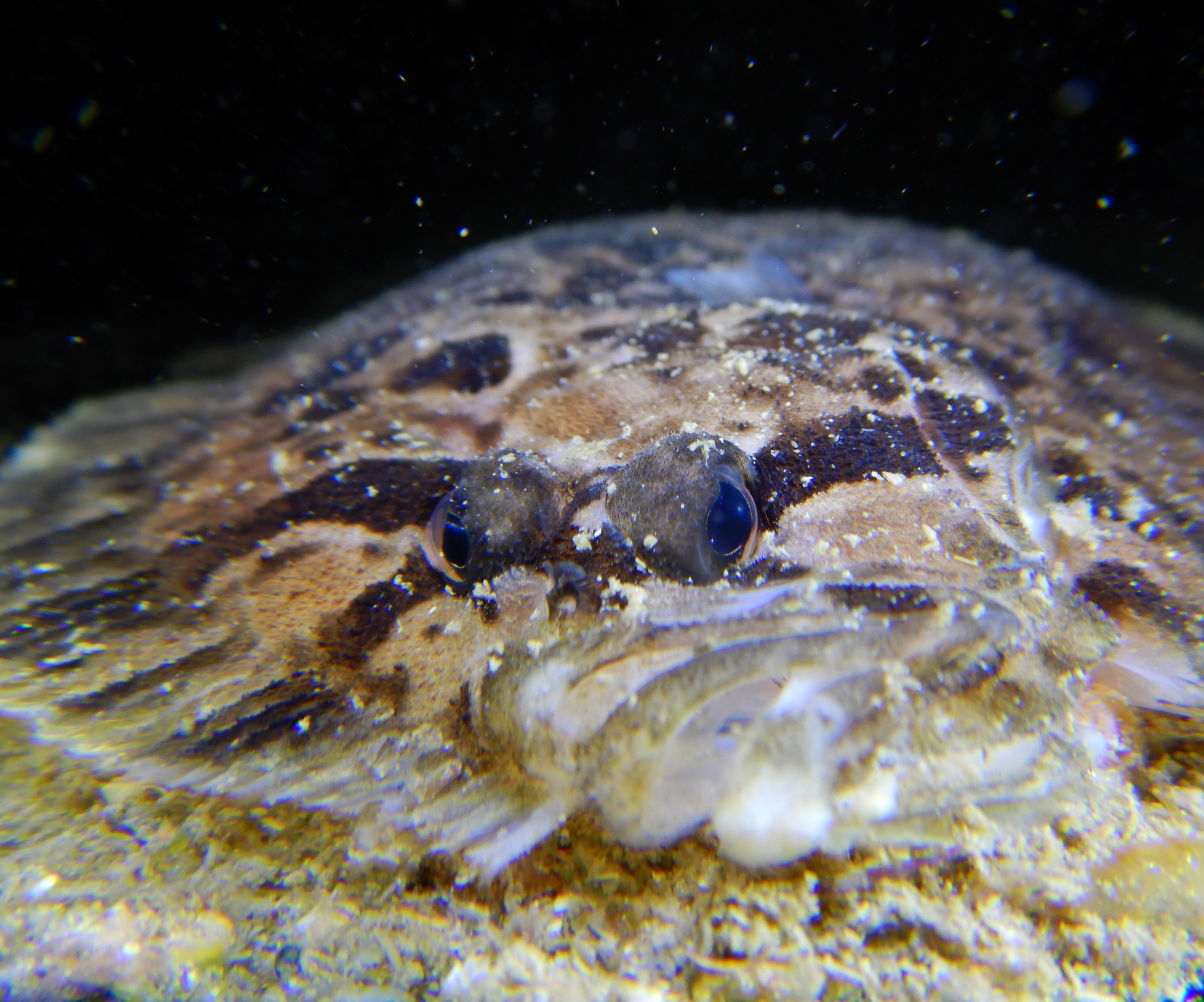
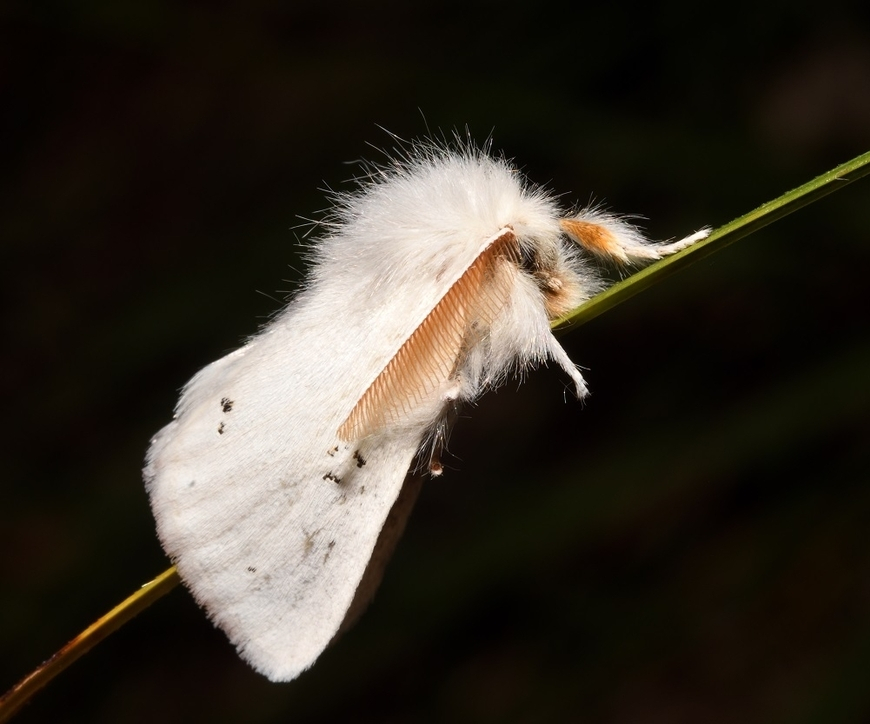
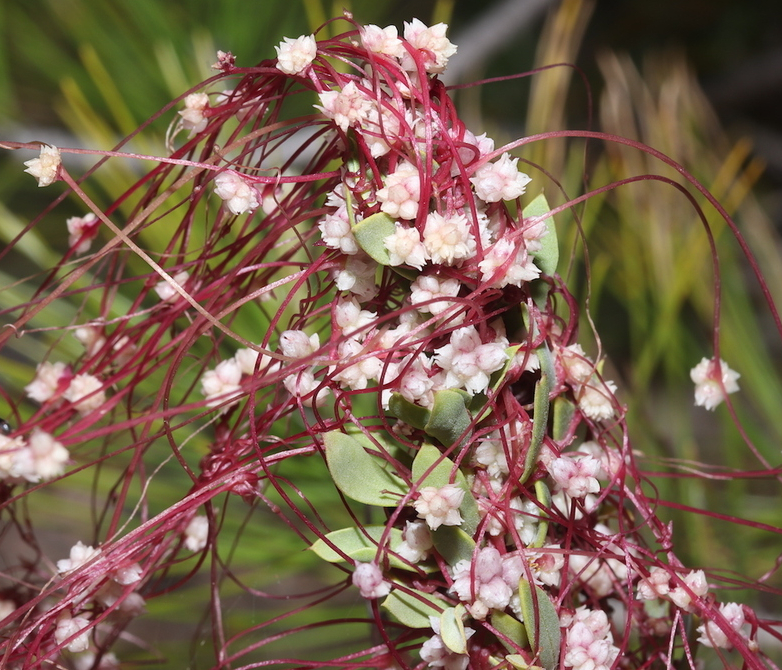
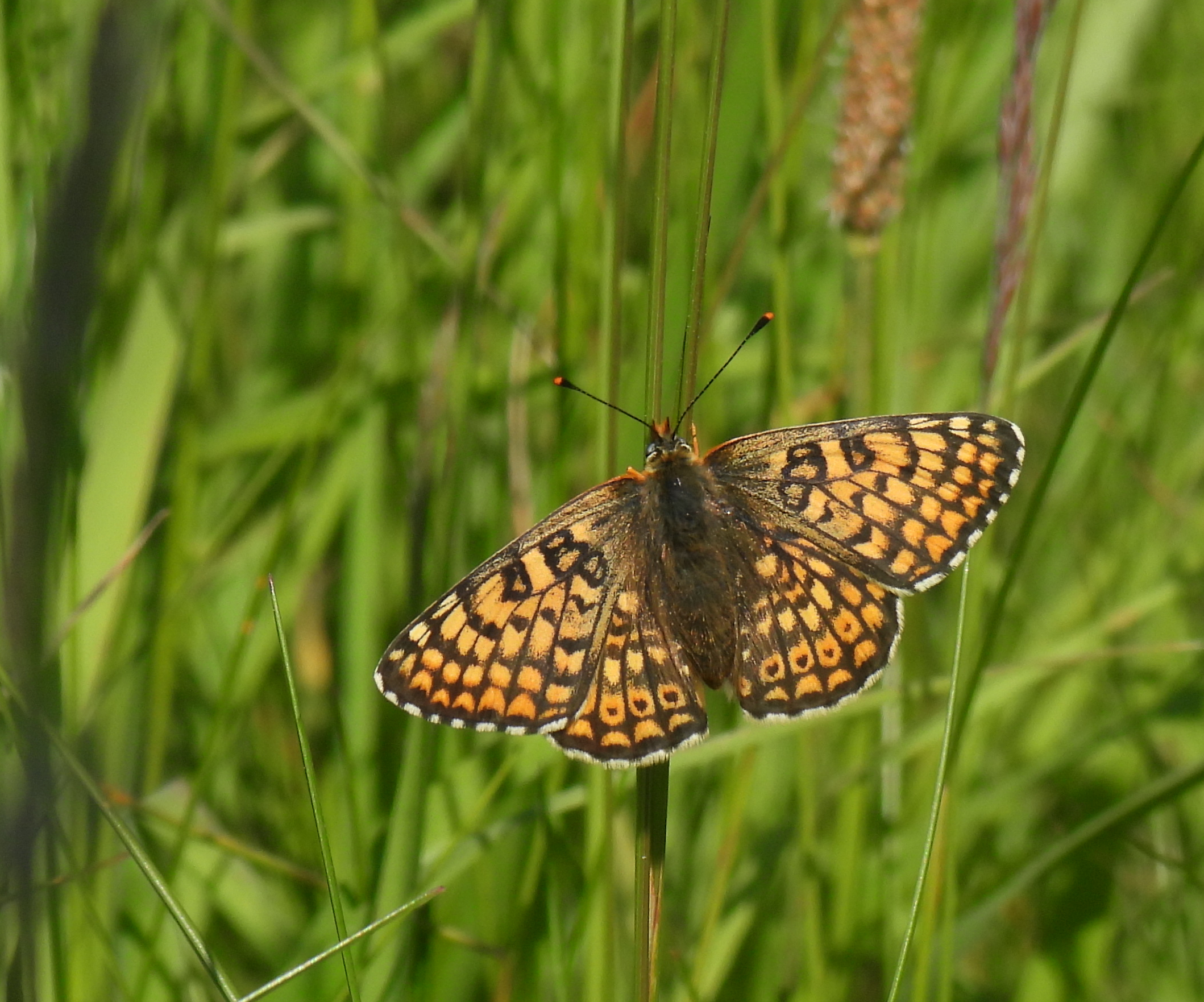
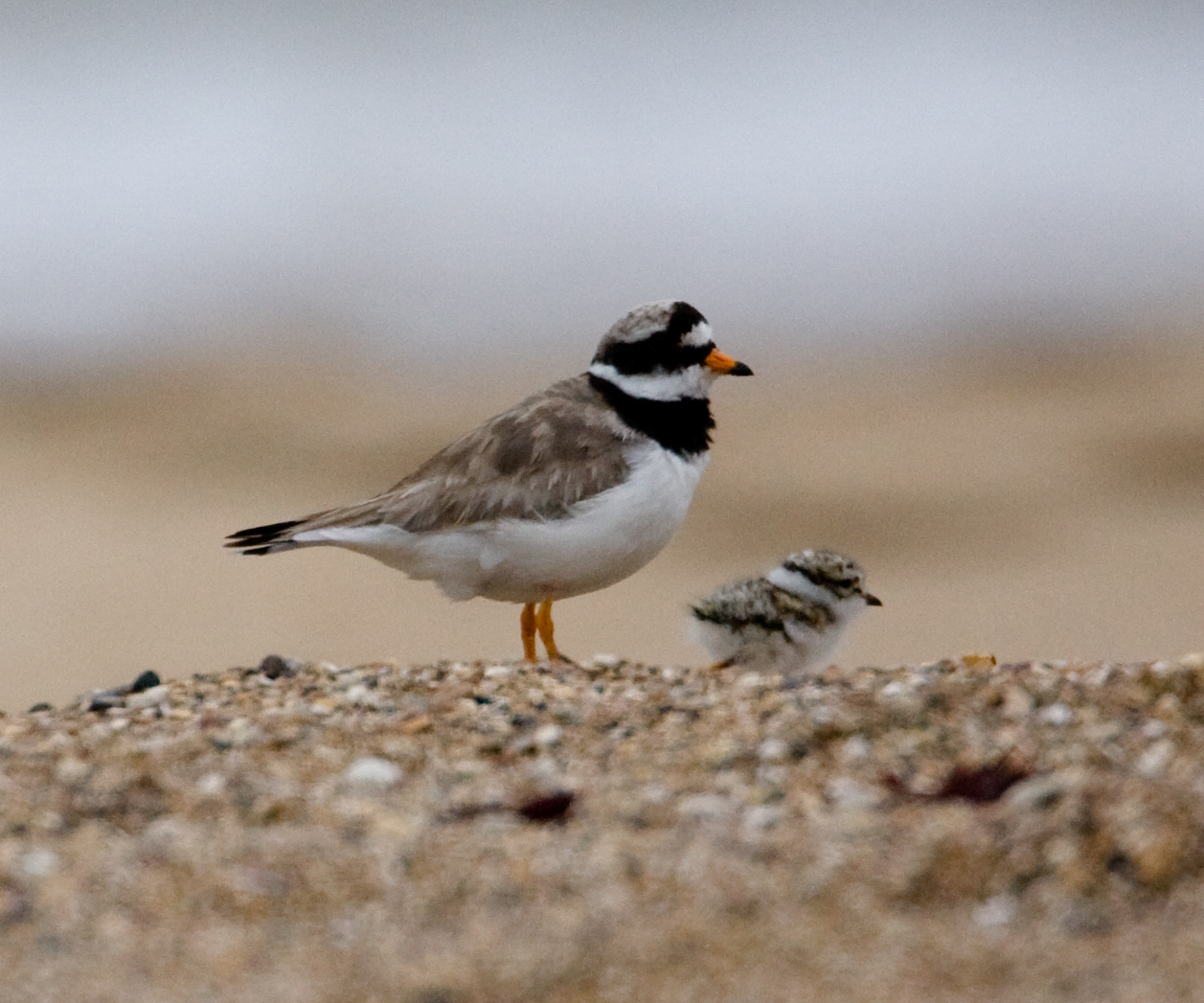
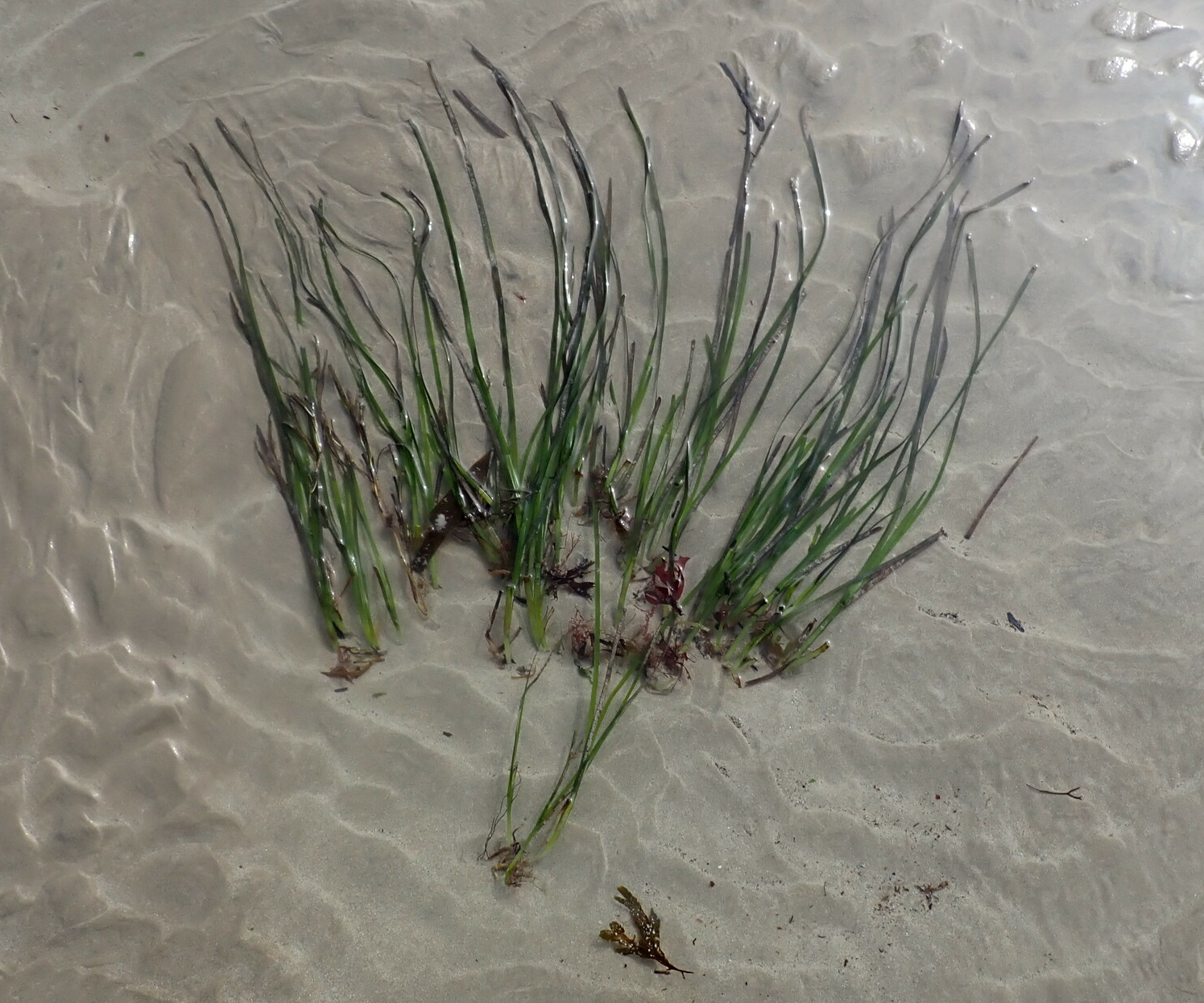
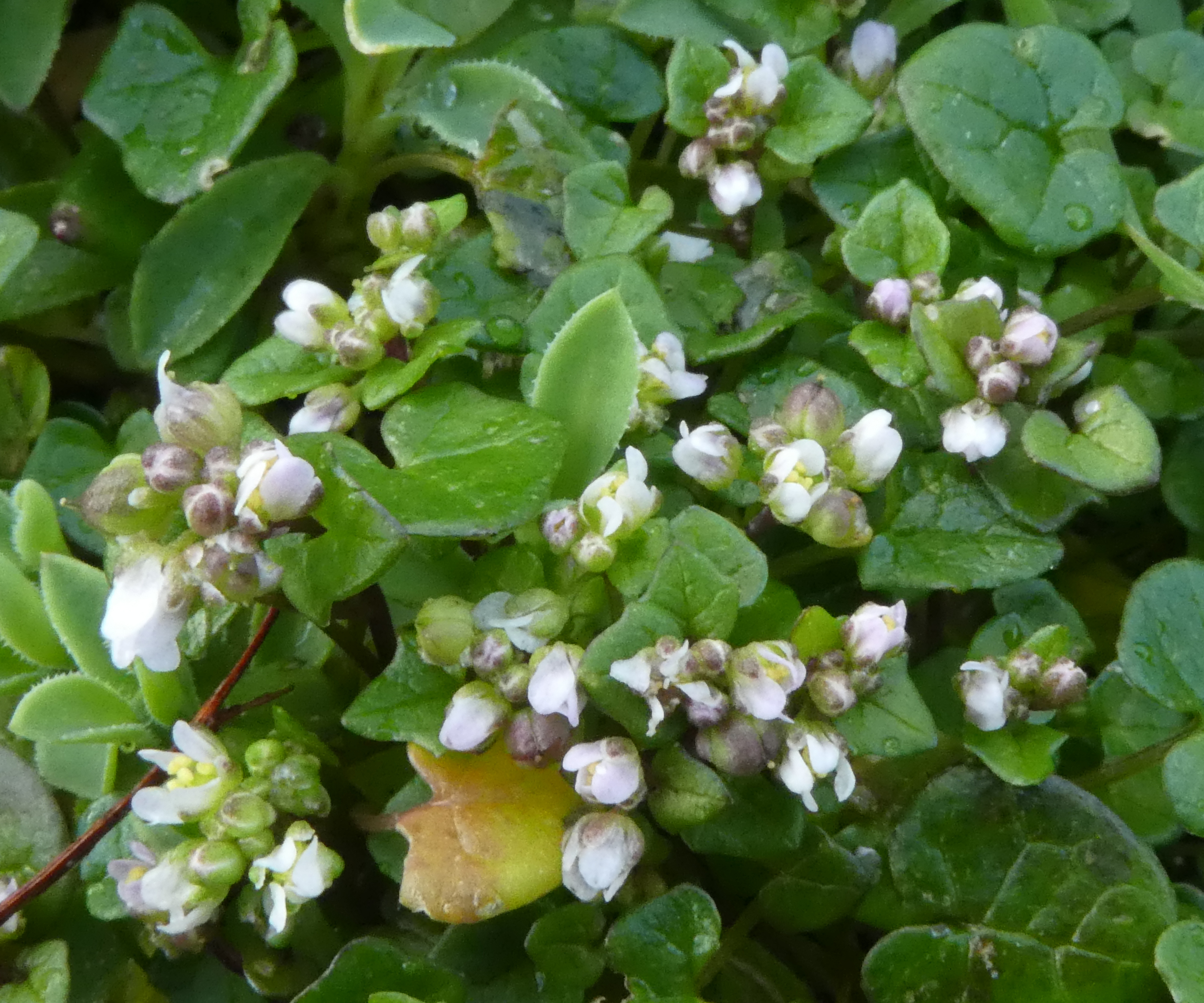
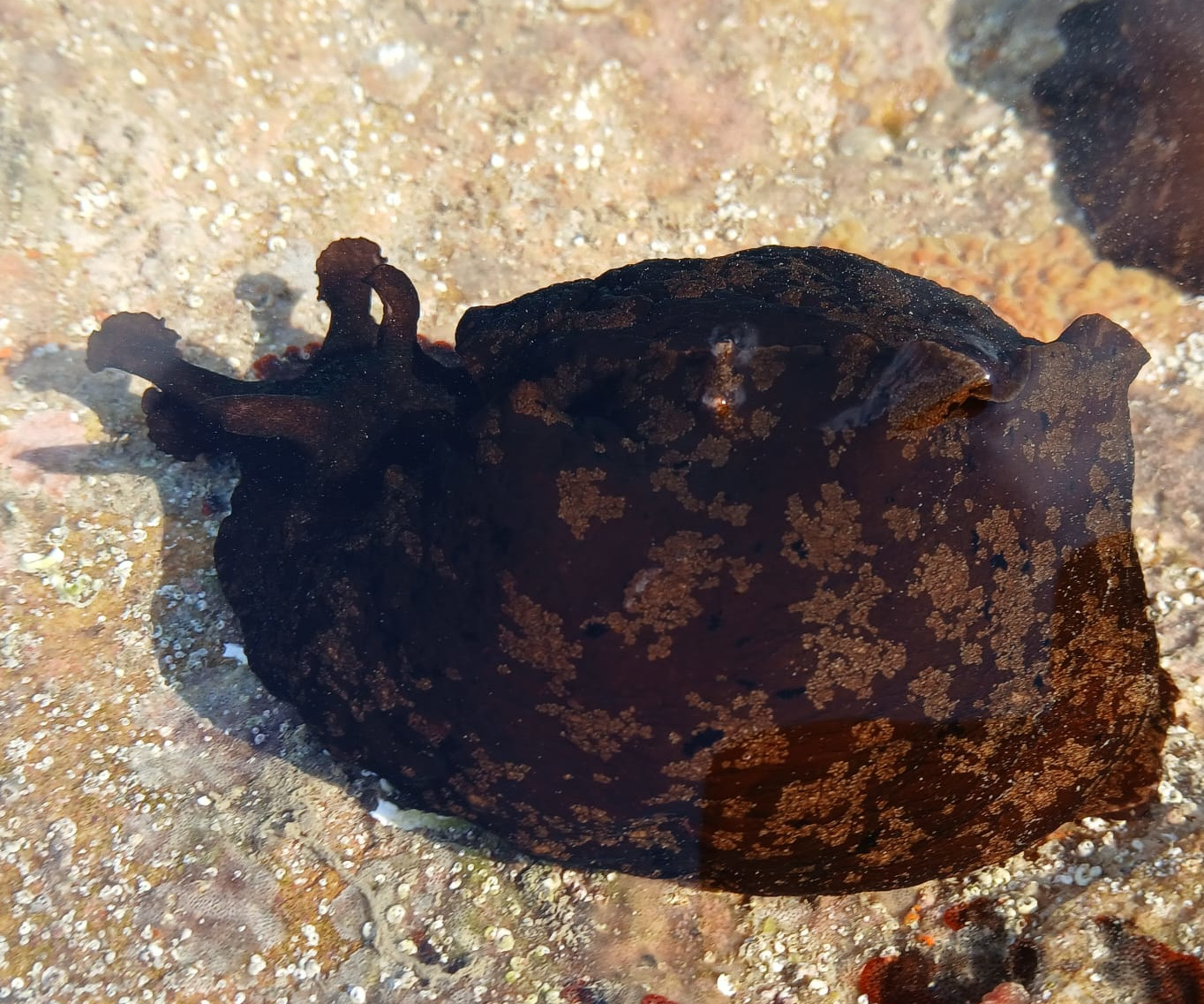
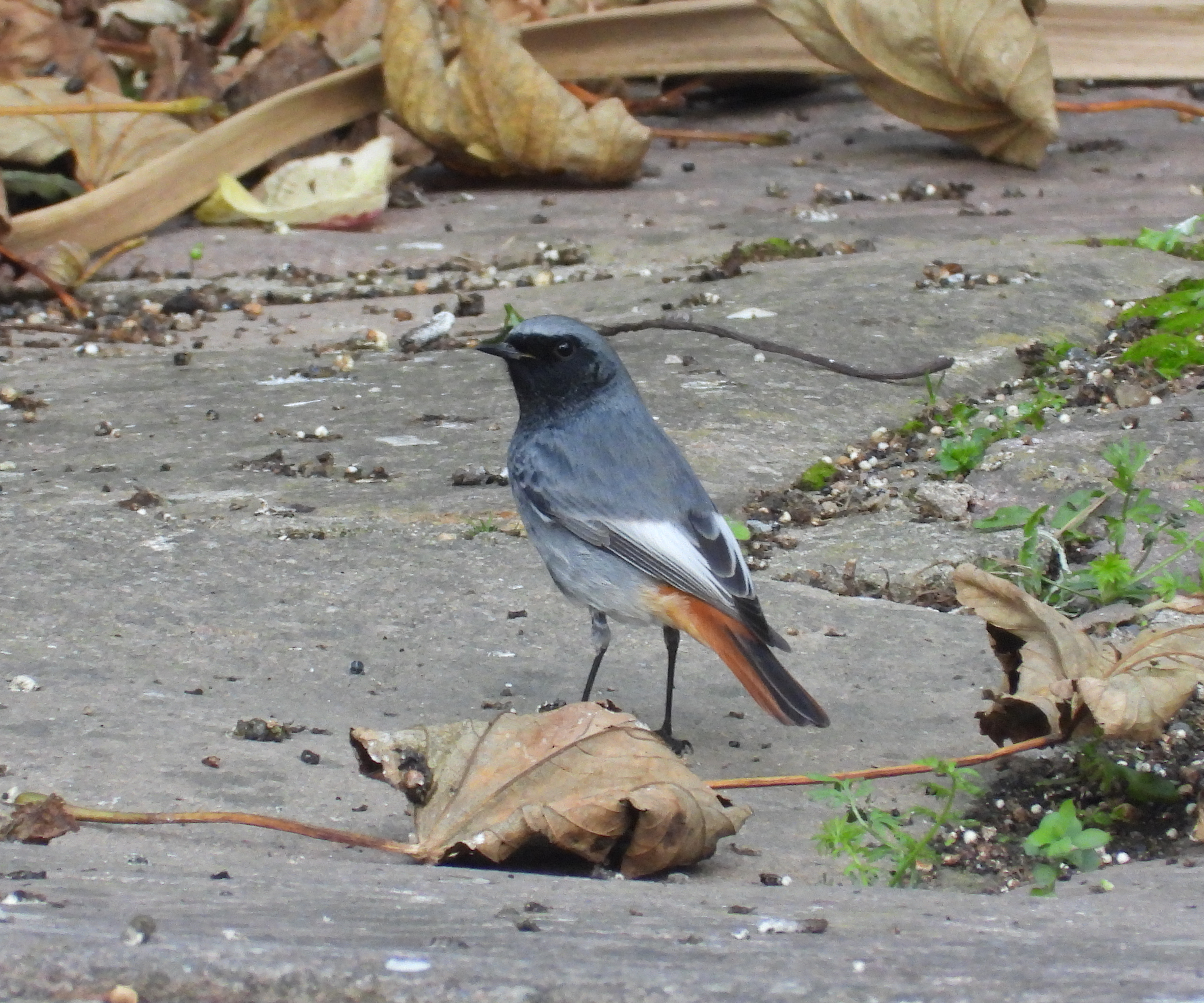
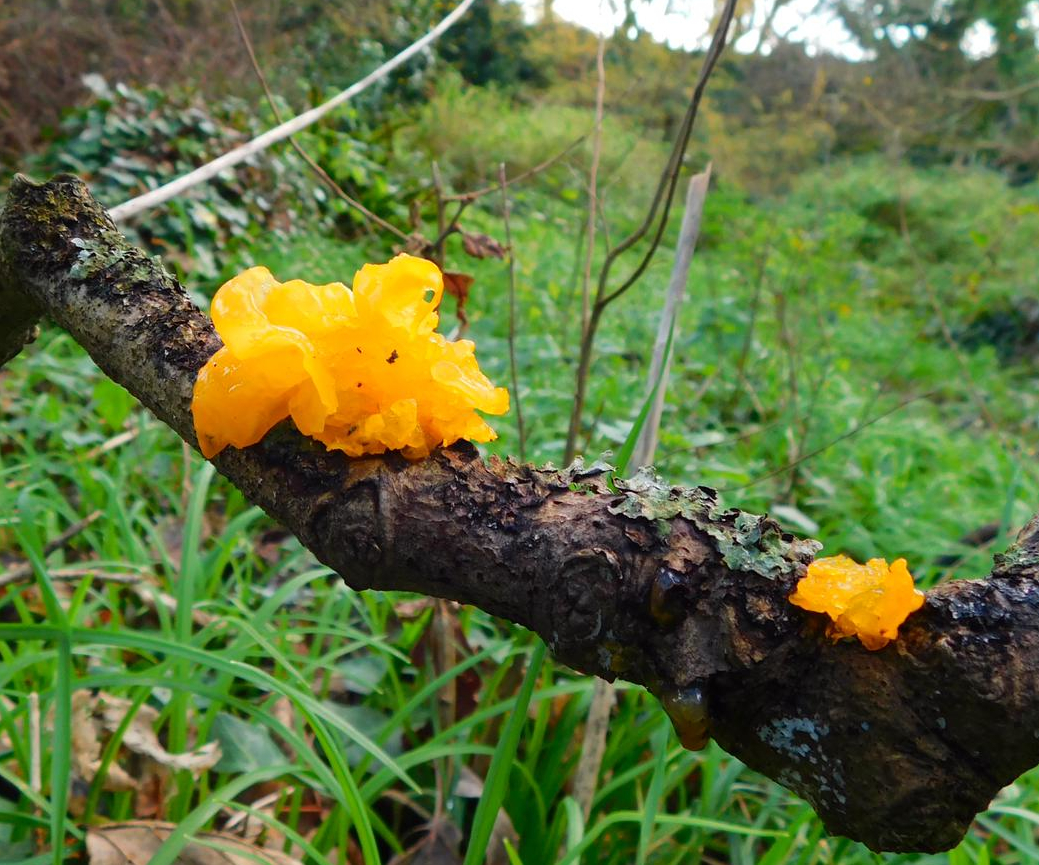
Image Species of the Month Archive 2026 card-image Image card-title November card-text The snow bunting (Plectrophenax nivalis) is the most northernly recorded songbird in the world. The flashes of white in their wings when taking off gives them their nickname of ‘snowflakes’. card-image Image card-title October card-text Grey long-eared bats (Plecotus austriacus) are an endangered species whose ears are almost as long as its body. card-image Image card-title September card-text The Common Topknot (Zeugopterus punctatus) is adapted to its rocky environment by using its suction to hang on vertical rock faces, and even upside down under overhangs. card-image Image card-title August card-text The European Nightjar (Caprimulgus europaeus) is also known as ‘goatsucker’, from an old myth that the birds would suckle from goats at night. card-image Image card-title July card-text The brown-tail (Euproctis chrysorrhoea) is a white fluffy moth whose caterpillars spin dense webs that can be seen along the south cliffs of Alderney. card-image Image card-title June card-text Dodder (Cuscuta epithymum) is a small parasitic plant that forms a red stringy mass over its host plant, with small pink and white flowers appearing in summer. card-image Image card-title May card-text The Glanville Fritillary (Melitaea cinxia) is a striking orange and brown chequered butterfly that is more common on Alderney than anywhere else in the British Isles. card-image Image card-title April card-text The Ringed Plover (Charadrius hiaticula) are of critical conservation concern, and the last nesting sites in the Channel Islands are on Alderney. card-image Image card-title March card-text Eelgrass (Zostera Marina) forms small pockets of lush underwater meadows in the shallow coastal waters around Alderney. card-image Image card-title February card-text Early Scurvy-Grass (Cochlearia Danica) blooms from February to June. The 4-petalled white, sometimes lilac, flowers resemble a smattering of frost against Alderney's coastal landscape. card-image Image card-title January card-text The sea hare (Aplysia punctata) is a marine snail often found around Alderneys waters during low tide. Their name is derived from their upper tentacles which resemble rabbit ears. 2025 card-image Image card-title December card-text Black Redstart (Phoenicurus ochruros) is one of Alderney’s autumn migrants, which may overwinter in the Bailiwick. They have a distinctive red flush around the tail. card-image Image card-title November card-text Witches' Butter (Tremella mesenterica) is one of Alderney's autumn-fruiting fungi. It parasitises other fungi on dead branches. card-image Image card-title October card-text The Ivy Bee (Colletes hederae) is the last emerging solitary bee of the year, and nest at a high density meaning you can find large aggregations of them in one place. card-image Image card-title September card-text The Kite-tailed Robberfly (Machimus atricapillus) is an ambush predator that feeds on other insects by catching them and injecting them with neurotoxins.